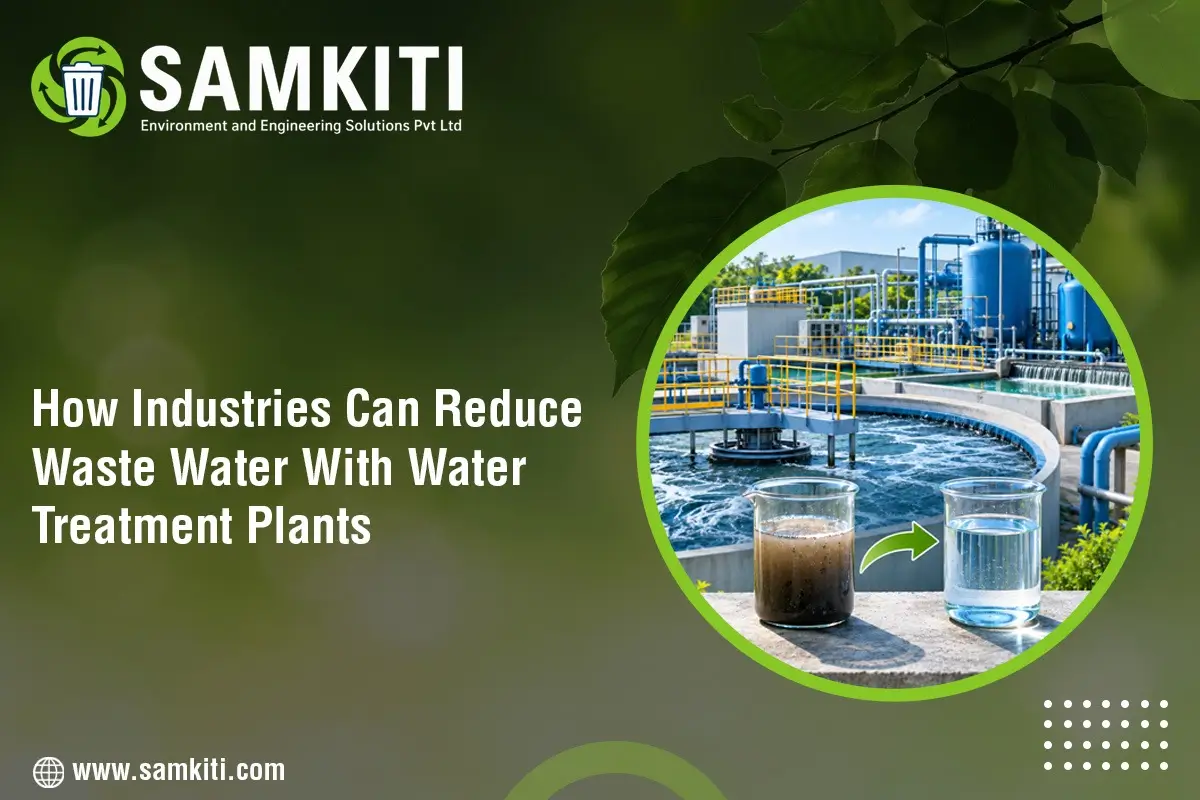
Water is the backbone of almost every industry, from textiles and chemicals to food processing and pharmaceuticals. Yet the same water that keeps production running often leaves the factory as contaminated effluent. With rising water costs and stricter pollution norms, industries can no longer ignore it. This is why more businesses are working with industrial water treatment plant manufacturers in India to build systems that clean and recycle their waste water. Here is a simple breakdown of how water treatment plants reduce waste water and what industries should look for before investing in one.
Understanding Industrial Waste Water
Industrial waste water is the used water discharged after manufacturing, cooling, and cleaning. Depending on the industry, it may carry suspended solids, oils, chemicals, heavy metals, and organic matter. Left untreated, it pollutes groundwater and soil. A water treatment plant cleans it so it can be reused in the facility or discharged safely.
Why Industries Need Water Treatment Plants
➤ Regulatory Compliance: Meet pollution control board discharge limits and avoid penalties.
➤ Lower Fresh Water Demand: Reuse treated water for cooling, washing, and boiler feed.
➤ Cost Savings: Lower water intake and disposal charges reduce operating costs.
➤ Business Continuity: Recycled water keeps production running during shortages.
Working with a reliable water treatment plant company in India makes it much easier to achieve all of these benefits.
How Water Treatment Plants Reduce Waste Water
An industrial water treatment plant works like a series of filters, where each stage removes a specific type of pollutant. Treating water step by step is what makes it clean enough to reuse instead of discharge.
1. Screening and Equalization
Screens at the inlet catch plastic, fibres, and debris that could damage pumps and pipes. The water then enters an equalization tank, which balances its flow and pH (a measure of acidity or alkalinity), because industrial effluent rarely arrives at a steady strength.
2. Primary Treatment
Chemicals called coagulants make tiny suspended particles clump into heavier lumps called flocs, which settle at the bottom of a clarifier. Oil and grease are removed here too, taking out a large share of Total Suspended Solids (TSS).
3. Biological Treatment
Dissolved organic pollution cannot be filtered out, so beneficial microorganisms consume it as food. Progress is measured through BOD and COD (Biochemical and Chemical Oxygen Demand), which show how much oxygen the pollutants would use up. Systems like activated sludge or MBBR can typically reduce these values by around 85 to 95 percent.
4. Tertiary Treatment
This is the polishing stage. Sand and carbon filters remove fine particles, colour, and odour, and disinfection kills harmful bacteria. The water is then usually clean enough for cooling towers, washing, and gardening.
5. Advanced Treatment and Zero Liquid Discharge
Ultrafiltration and reverse osmosis (RO) push water through extremely fine membranes that hold back dissolved salts and impurities. Zero Liquid Discharge (ZLD) systems go further, recycling nearly all the water and leaving only solid residue. Actual results vary with the industry, effluent, and plant design.
6. Cutting Waste Water at the Source
Treatment works best alongside smart habits. Run regular water audits, keep high-load and low-load effluents separate, fix leaks quickly, and reuse treated water in non-critical tasks to reduce waste before it reaches the plant.
Choosing the Right Water Treatment Plant Partner
Effluent from a dairy unit is very different from that of a dye house, so an experienced water treatment plant manufacturer in India should study your process before designing a solution. When shortlisting a partner, look for:
➤ Proven experience in your industry
➤ Custom design based on effluent testing
➤ Quality components and reliable automation
➤ Installation and after-sales support
A trusted partner will also guide you on approvals and compliance, and offer maintenance contracts and spare parts so the plant performs reliably for years.
Your Trusted Water Treatment Plant Supplier in India
SAMKITI Environment and Engineering Solutions Pvt.Ltd, based in Vadodara, Gujarat, works with industries that want practical and sustainable environmental solutions. The team studies your site, effluent, and goals before recommending a system. As a dependable partner for industrial water treatment, the aim is simple: help you save water, meet norms, and cut costs.
Reducing waste water is a smart business decision, not just an environmental one.
Partner With Us for a Compliant, Cost-Efficient Water Treatment Solution
Every industrial facility has different effluent characteristics, compliance requirements, and water reuse goals. SAMKITI Environment and Engineering Solutions Pvt.Ltd offers customized water treatment solutions that help you meet regulatory norms, lower operating costs, and secure a dependable water supply for your operations.
Get in touch with our team to discuss your effluent treatment needs and receive a solution designed for your plant.
FAQs
It treats effluent so it can be reused for cooling, cleaning, and other processes. This cuts fresh water intake and the volume of waste water discharged.
Textiles, pharmaceuticals, chemicals, food and beverage, dairy, and engineering industries, along with many others that generate effluent, can benefit from one.
Compare water treatment plant suppliers in India on industry experience, custom design ability, after-sales support, and compliance guidance. Ask for effluent testing before they give you a quote.